


Automated Cutting Production Line: From Manual Operation to Intelligent, Unmanned Operation
2026-09-11
The cutting workshop is undergoing a fundamental shift. For decades, steel cutting depended on skilled operators: manually loading plates, setting torch paths, removing parts and sorting finished pieces by hand. Today, that manual workflow is being replaced by automated cutting production lines in which machines, software and material-handling systems work together with minimal human intervention.
The transition happens in stages. It typically begins with CNC flame, plasma or laser cutting machines, which already remove manual torch control. The next layer is automated material flow — automatic loading tables, magnetic or vacuum suction lifters, conveyor systems and automatic unloading-sorting equipment that move plates and cut parts without an operator at the cradle. On top of this sit intelligent software systems: CAD/CAM nesting software maximizes material yield by packing parts onto plates automatically, while MES integration assigns jobs, tracks progress and feeds production data back to management in real time.
The final stage is true unmanned operation. Here, the line combines automated loading and unloading, adaptive cutting parameters that adjust to plate condition, vision or laser measurement for part quality control, and machine-monitoring platforms that predict maintenance needs before breakdowns occur. A night shift may run an entire order with no worker present, supervised remotely by an engineer.
The benefits are measurable. Automated lines raise material utilization from roughly 80% to above 90% through optimized nesting, cut labor cost per part dramatically, and deliver consistent quality regardless of shift or operator skill. Throughput becomes predictable, which matters most to customers who depend on reliable delivery dates.
The challenges are equally real. The initial investment is high, often several million RMB for a complete line. Skilled labor changes rather than disappears: the shop floor needs fewer operators but more automation engineers. Thin plates still warp under thermal cutting, and small parts can jam sorting systems, so process know-how remains essential.
Even so, the direction is clear. As labor costs rise and quality demands tighten, the automated cutting production line is no longer a luxury for large fabricators — it is becoming the baseline for competitiveness. The companies that make this transition early will set the prices, while the rest follow.
CUTTING METHOD

-
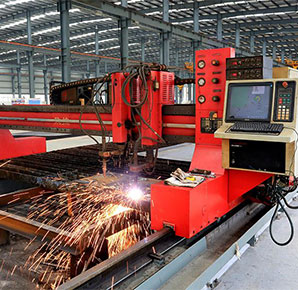 Flame cutting, also called oxyfuel cutting, is a common machining method for heavy plate.
Flame Cutting
-
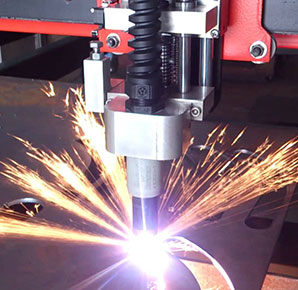
 Plasma cutting is a process that cuts through electrically conductive materials by means of an accelerated jet of hot plasma.
Plasma Cutting
-
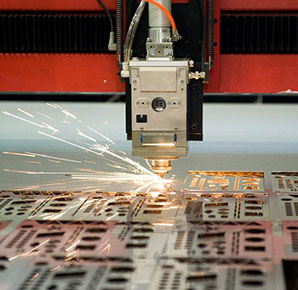
 Basically when cutting with the laser, the beam is focused on the material through the hole in the nozzle.
Laser Cutting
-
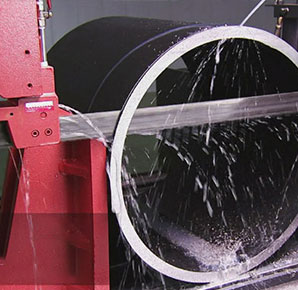 According to the form of the tool, sawing/ saw cutting is divided into bow sawing, circular sawing, band sawing and sawing of the grinding wheel.
Saw Cutting
Latest Products
-
 Machining involved: cutting, grinding, beveling Application: shipsbuilding and marine industry
Carbon Steel Pipes Cutting
-
 Our products cover the fields of construction machinery, power systems, material handling and transportation machinery, metall...
Carbon Steel Pipes
-
 Katalor can provide a wide range of laser cutting, plasma cutting, flame cutting or steel machining parts fabrication. Flame ...
Heavy Plates Flame Cutting
-
 Customized Heavy Plates Cutting Parts are for Engineering Machinery. Material: carbon steel Machining involved: flame cutting...
Customized Heavy Plates Cutting Parts
-
 Customized Steel Tube for Construction Equipped with laser cutting, CNC shearing, punching, bending, automatic riveting, auto...
Customized Steel Tube for Construction
-
 Shape: customized. Custom is our specialty, materials and finish coating can be various.
Metal Steel Plate Customized Machining
-
 Material: carbon steel Machining involved: flame cutting, stamping, sheet metal, grinding Application: manfuacturing
Heavy Plates Cutting Parts
-
 Machining involved: saw cutting, grinding, surface treatment Application: construction structure
Profile Steel Cutting
CONTACT US
No limited to time and space, you can call for our online-service personnel for consultation, or fill in the table below for an enquiry. Your message will be promptly resolved.
- Tel:+86-21-61182423
- Fax:+86-21-61182425
- E-mail:[email protected]
- Skype:shanghai.katalor
- Address:Unit 6,lane 2500,xiupu Road,Kangqiao Industrial Area,Pudong New District,Shanghai
- Online Consultation
- After-sales Engineer